Context
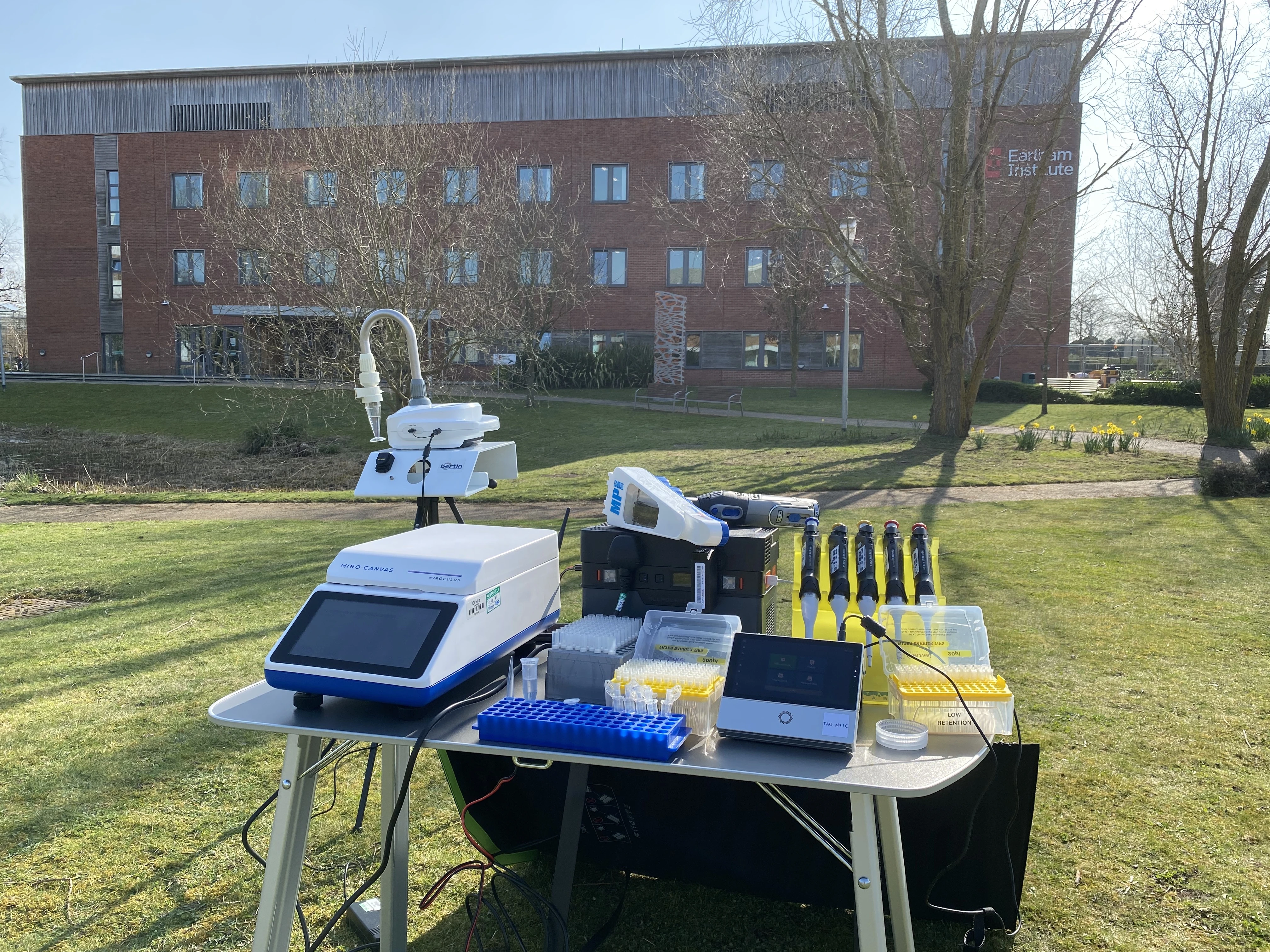
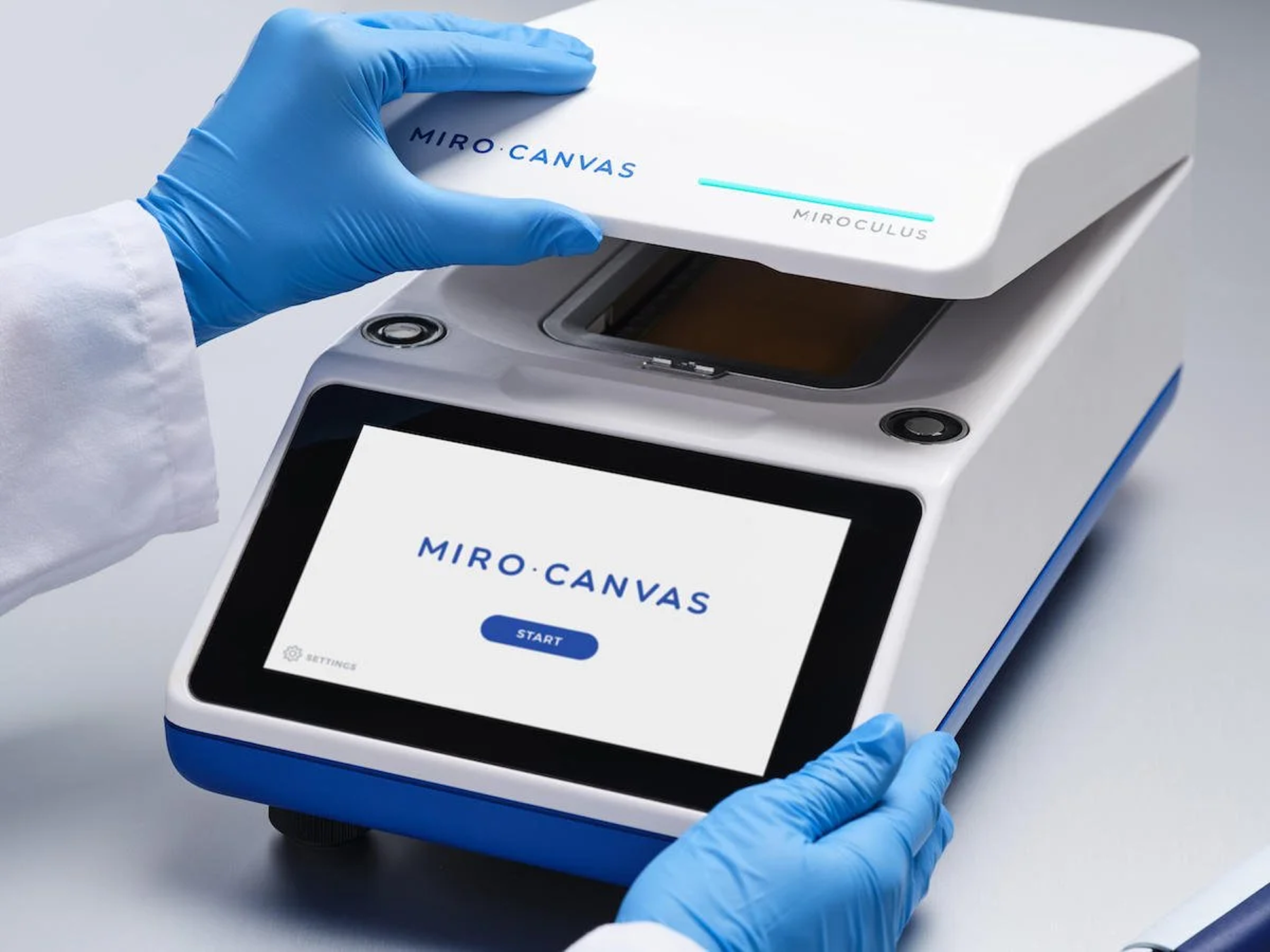
Miro (developed by Miroculus) is a microfluidics device that automates next generation sequencing (NGS) protocols.
Role
I worked on Miro over the course of two summers as an engineering intern, specifically on the hardware team.
Additional context
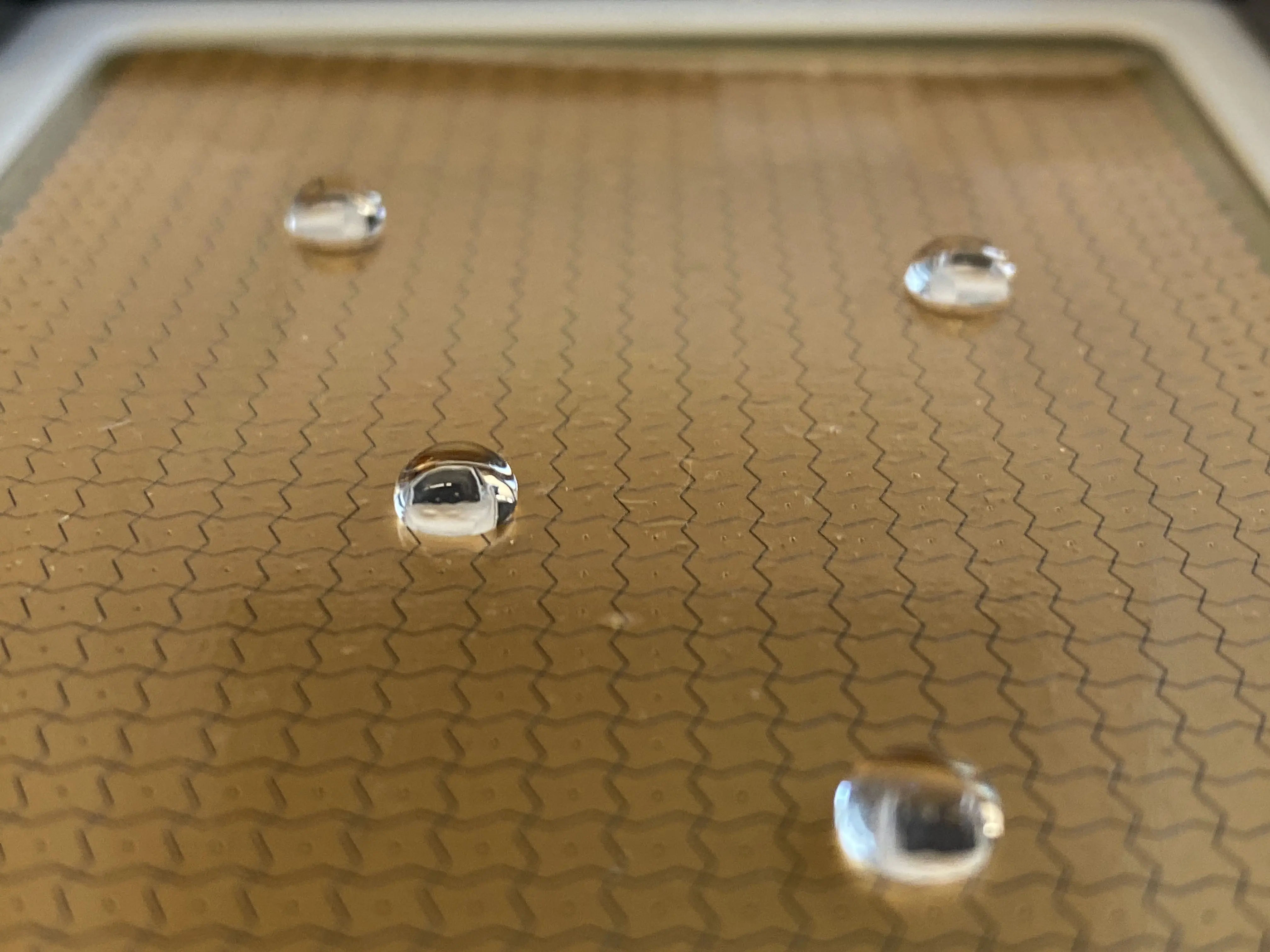
At Miroculus, the overarching goal was to make scientific research easier and accessible. One way to achieve this was through Miro, a compact ‘lab-on-a-chip’ device that used microfluidic principles to effectively miniaturize and thus optimize different research methods.
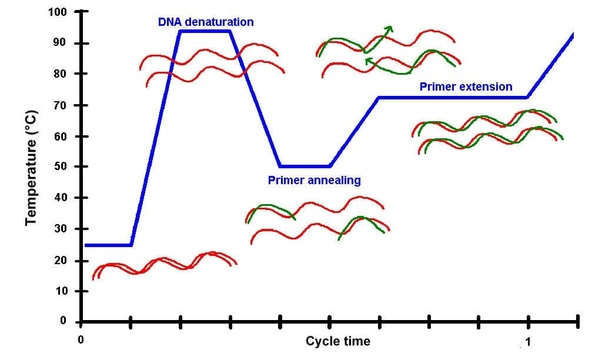
DNA sequencing like NGS requires a large amount of DNA to work, making PCR (polymerase chain reaction; in other words, DNA amplification) a critical step in the process.
One function of the Miro device was to offer automated PCR at a much smaller scale, therefore requiring less reagents, ultimately saving time and money. To run PCR, however, requires precise temperature cycling over different time periods; fluctuations in temperature could reduce output, or in some cases, compromise the whole process.
Outcomes
My task was to help design, develop, and refine the Miro’s heat cycling capabilities. This included both physical product design (e.g. the placement of heat sinks) as well as controls engineering (e.g. tuning a PID controller).
I collaborated across engineering and science teams to develop the first protocols on heat cycling. Many exploded circuit boards and a couple singed eyebrows later, my internship culminated in an SOP on device calibration that became the basis for training scientists on the device.